
Varicose Vein Surgery in Bareilly
Home > Varicose Vein Surgery
Laparoscopic services
Other services
Varicose Vein Surgery at Shubham Hospital
What are Varicose Veins?
What are the Symptoms of Varicose Veins?
Varicose veins can cause a range of symptoms, including:
- Swelling, pain, and aching in the legs, especially after long periods of standing or sitting
- A feeling of heaviness or tiredness in the legs
- Visible, bulging veins that are dark purple or blue in color
- Itching, burning, or throbbing in the legs
- Skin changes, such as discoloration, dryness, or inflammation
What Causes Varicose Veins?
Varicose veins are caused by a weakening of the walls and valves of the veins in the legs. This can be due to various factors, including:
- Genetics – a family history of varicose veins can increase your risk of developing the condition.
- Age – as you get older, the valves in your veins may weaken, causing the blood to flow backward and pool in the veins.
- Gender – women are more likely to develop varicose veins than men, likely due to hormonal changes during pregnancy and menopause.
- Obesity – carrying excess weight puts extra pressure on your veins, making them more prone to developing varicose veins.
- Pregnancy – during pregnancy, the increased pressure on the veins can cause varicose veins to develop.
How is Varicose Veins Diagnosed at Shubham Hospital?
At Shubham Hospital, we use a range of diagnostic techniques to determine the extent and severity of varicose veins. These may include:
- Physical examination – our experienced surgeons will examine your legs for visible signs of varicose veins, such as swelling, discoloration, or bulging veins.
- Ultrasound – this non-invasive test uses sound waves to create images of the veins in your legs, allowing our surgeons to evaluate blood flow and identify any blockages or abnormalities.
we offer a range of surgical treatments for varicose veins, including minimally invasive procedures that offer faster recovery times and fewer complications.
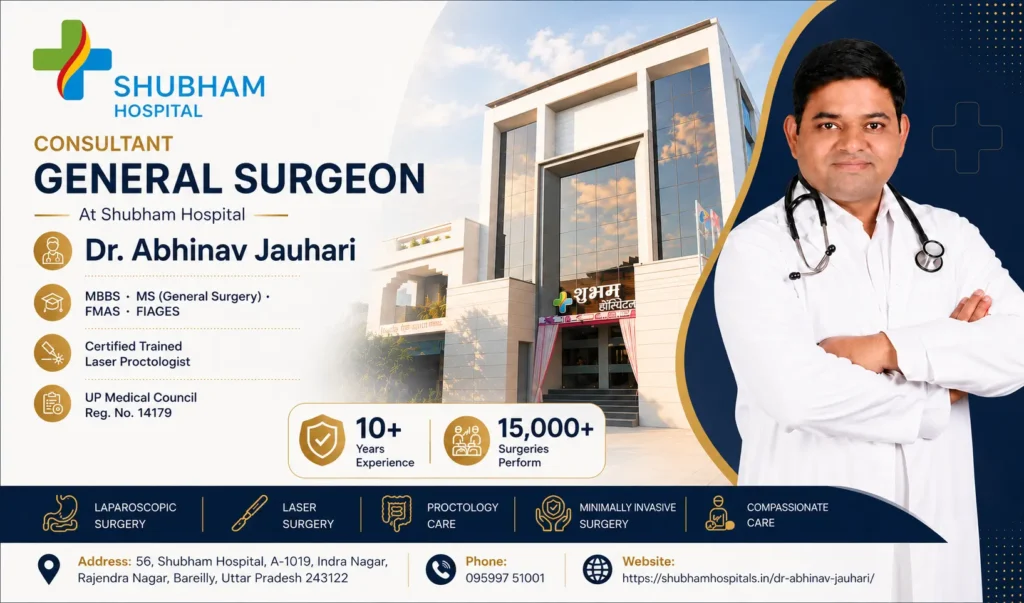
Some of the surgical treatments we offer include:
Sclerotherapy
Endovenous Laser Ablation (EVLA)
Radiofrequency Ablation (RFA)
FAQs about Varicose Vein Surgery
At Shubham Hospital, we offer a range of minimally invasive procedures for varicose vein treatment, including endovenous laser ablation, radiofrequency ablation, and foam sclerotherapy.
Our surgeons at Shubham Hospital have extensive experience in treating varicose veins and are committed to providing safe and effective care. They use the latest techniques and technologies to ensure optimal outcomes for our patients.
The consultation for varicose vein surgery at Shubham Hospital usually takes between 30 minutes to an hour. During this time, our surgeons will evaluate your condition, discuss your symptoms and medical history, and recommend the most appropriate treatment options.
Our surgeons will provide you with specific instructions on how to prepare for your varicose vein surgery. This may include avoiding certain medications, fasting for a period before the procedure, and wearing loose, comfortable clothing on the day of the surgery.
The specific details of the surgery will depend on the type of procedure being performed. However, most varicose vein surgeries at Shubham Hospital are minimally invasive and performed under local anesthesia. Our surgeons will use specialized tools and techniques to access and treat the affected veins.
Most patients can go home the same day as their varicose vein surgery at Shubham Hospital. However, some patients may need to stay in the hospital for a short period for observation and monitoring, depending on the extent of the surgery and the individual patient’s needs.
Our surgeons will provide you with specific instructions on how to manage any discomfort or pain after your varicose vein surgery. This may include taking pain medication or using compression stockings to reduce swelling and promote healing.
ur surgeons will provide you with detailed instructions on how to care for your incisions and manage any discomfort or pain after your varicose vein surgery. They will also schedule follow-up appointments to monitor your progress and ensure optimal healing.
The amount of time you will need to take off work after your varicose vein surgery will depend on the type of procedure and your individual recovery time. Most patients can return to work within a few days to a week after minimally invasive procedures.
Our surgeons will provide you with specific instructions on when it is safe to resume physical activity after your varicose vein surgery. In general, patients should avoid strenuous activity for a few days to a week after minimally invasive procedures and avoid prolonged periods of standing or sitting for several weeks.